



Loads for Racking
Rackable Pallets – What About the Load?
The nature of your load dictates the suitability of a pallet for racking.
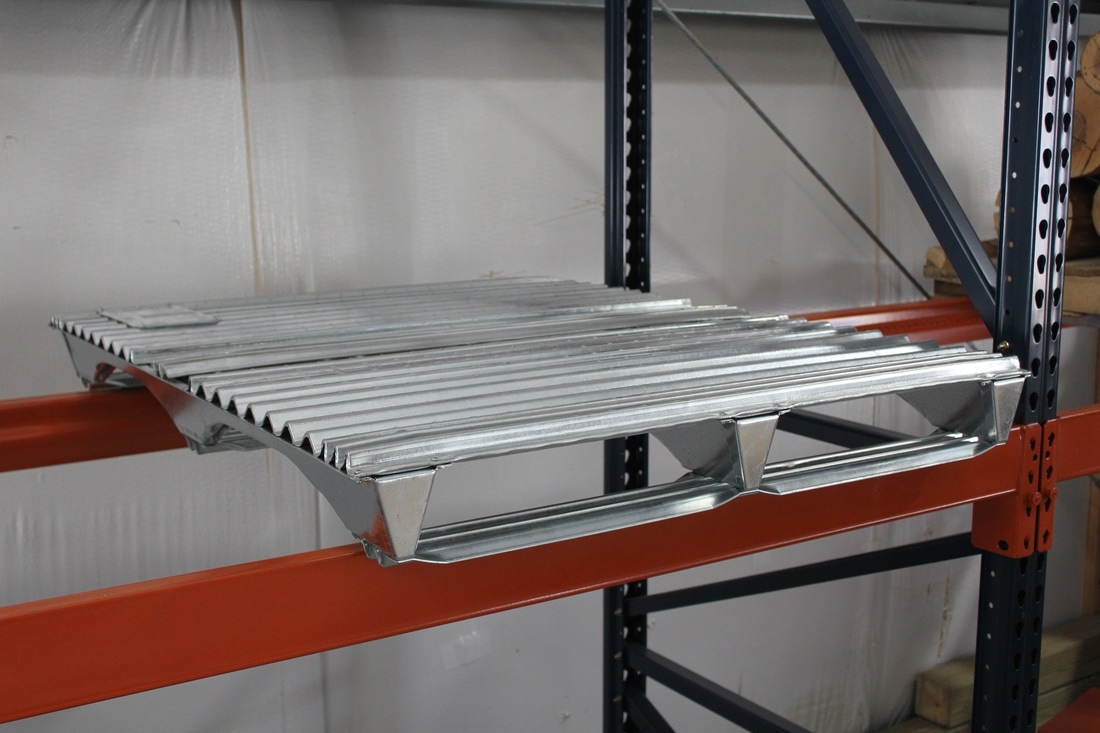
What makes a pallet rackable? Well, we’ve been spending some time on that question including getting into pallet structure, material stiffness and the seven racking systems we most commonly find in industry.
Part of the discussion included assigned load ratings. In most cases, rackability ratings assume the pallet can safely bridge a span between supporting structures. The ability to dependably and securely bridge that span is what makes a pallet rackable.
Nature of the Load
A common standard for rackability is 2200 pounds or about one metric ton. But what about that ton? Is a ton of feathers the same as a ton of lead? Well, we know they both weigh the same but their nature is very different. And it is the nature of the load that also needs to be considered when determining the suitability of any pallet for its intended use.

A bale of cotton weighs about 480 pounds.
A Stiff Load can Increase Functional Racking
If we were to make a stack of 40×48 sheets of 3/4 inch plywood on a pallet, it might end up being very heavy. Think about the last time you got an unassembled piece of furniture from IKEA. Holy smokes that stuff can be heavy! But, because our stack is stiff and spreads the load over the entire surface of our pallet, the load actually helps impart stiffness to the pallet. So even though it is very heavy, this type of load increases the functional racking load rather than challenging it!
By contrast, if the load is not in of itself stiff, it can cause a problem. Yep, even if we evenly spread the load across the surface of a pallet. Now what? Well, unitizing a load with stretch wrap can take a challenging load and make it less so. The stretch wrap makes the load stiffer, more like our stack of plywood. But, no matter what, our stack of plywood will always be stiffer than say, small bottles shrink wrapped in bundles and stacked on a pallet.
Challenging Loads
In addition to our example of stacked bottles in stretch wrap, here are some of the more common challenging loads for rackable pallets:
- 5 gallon pails
- Steel or poly drums
- Bulk bags
- Smaller bags of seeds or beans
- Any single heavy item placed in the center of the pallet (see my story below on this one…)
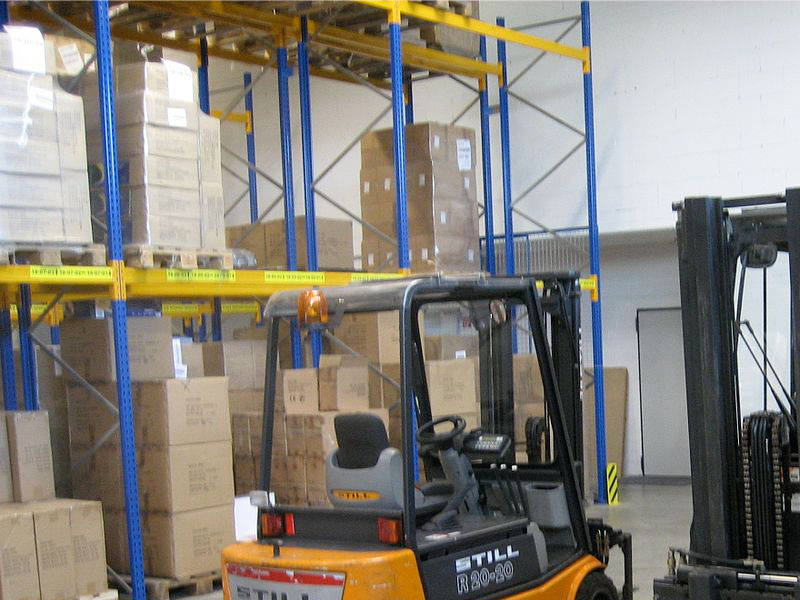
Pallet loads unitized with stretch wrap and placed in racking system.
Story time… I was once shown a 3,500 lb lift truck counterweight and asked to propose a pallet to handle it. I had a GREAT solution. Of course, the picture in my mind is the weight laying flat on its back and spread out over the surface of the pallet. I sent over a sample pallet and was mortified when I got an email showing the pallet in total failure! What happened? The counterweight was placed upside down with only three 4×4″ points of contact on the pallet. Heaven knows what the PSI must have been on those three points, but I can tell you the highly-rated pallet folded like a cheap camera!
Getting it Right the First Time
To recap, the nature of the load must be considered when determining the suitability of a pallet for any given application – especially if it is said to be “rackable”.
Load rating will generally assume the loads will be:
- Unitized
- Distributed evenly over the surface of the pallet
But even then you need to ask yourself the right questions. For example, will we be moving a ton of feathers or a ton of lead? The answers will help you get it right the first time.
If you want help with your load questions, let’s connect. And, watch for my next post on the history of the unit load and how we got here in the first place.
Use of metal racking photo used with permission from our friends at Warehouse Rack & Shelf, LLC.
Use of Forklifts in Warehouse photo by Mdornseif licensed under the Creative Commons Attribution 3.0 Unported license.